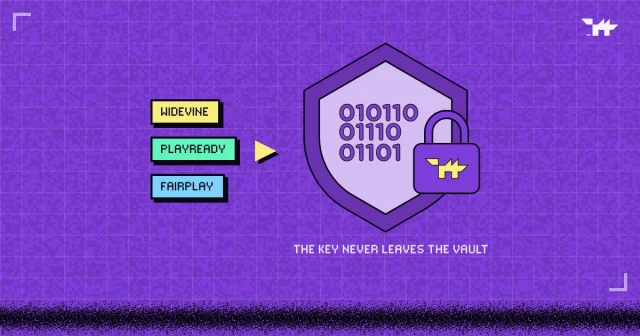
What is video DRM? Widevine, PlayReady and FairPlay, explained
How encryption, licences and the DRM module inside every browser keep a paid video playable only by the people who paid for it, and where DRM stops.
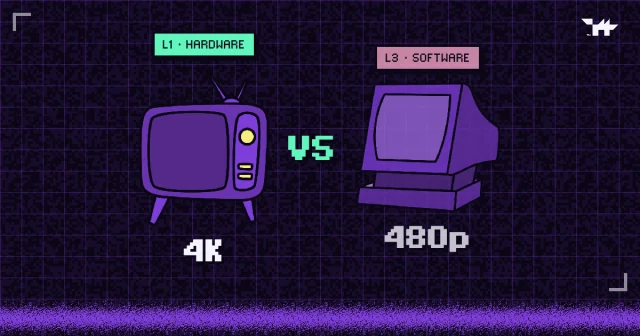
Widevine L1 vs L3: why some viewers get 480p
Security levels decide who gets HD. What L1, L3, PlayReady SL3000 and HDCP mean, which devices land where, and why capping quality beats blocking viewers.

Can you stop people screen-recording your videos?
What DRM, hardware protection and app-only playback really stop, device by device, and why a per-viewer watermark is the answer to the phone camera.
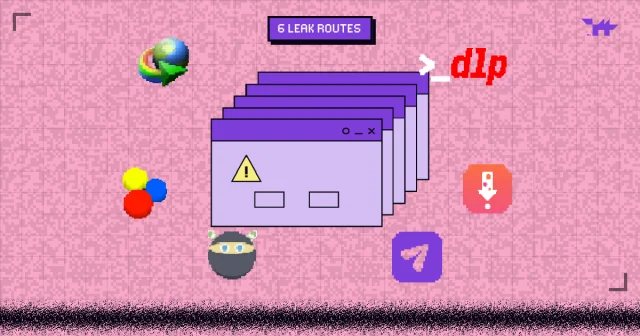
How paid course videos leak, and how to close every route
Downloaders, forwarded links, shared logins, re-embeds, screen recorders and the reseller channels that collect them: six routes, and the control that closes each.
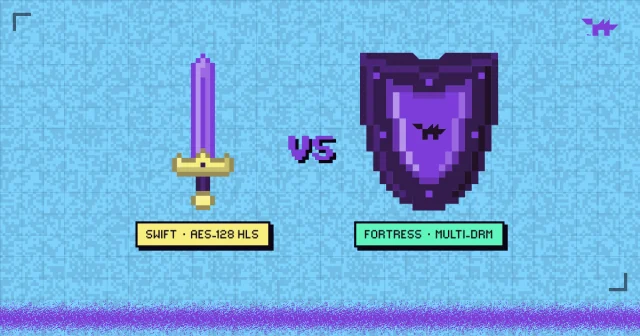
AES-128 HLS encryption vs multi-DRM: which does your video need?
Encrypted HLS stops casual downloads and hotlinking; DRM keeps the key out of reach entirely. A plain comparison, and a checklist for choosing.